

Case study focus: content marketing, SEO content planning, search intent, internal linking and digital distribution.
Privacy note: The client and private analytics are confidential. This case study explains the strategy and workflow rather than publishing unsupported traffic or ranking figures.
Publishing articles is easy. Building a content system that attracts the right audience, answers real questions and supports a business objective is much harder.
This project focused on turning content from a collection of isolated pages into a structured marketing asset. The emphasis was on search intent, topic selection, editorial planning and distribution, with SEO integrated into the process from the start.
The business needed a clearer answer to three connected questions: what should be published, who is each piece for, and how does the content support the customer journey?
Without that structure, even well-written articles can compete with one another, target vague queries or fail to move readers toward the next useful page. The project therefore began with strategy instead of volume.
Content topics were evaluated from the audience’s perspective. What problems are people trying to solve? What information do they need before making a decision? Which questions are likely to appear during research, comparison and purchase stages?
Keyword selection was not treated as a list of phrases to insert into articles. Search intent was used to determine whether a topic required an educational guide, a comparison, a commercial landing page or another format better aligned with the user’s goal.
Existing pages and competing topics were reviewed to find missing subjects and opportunities for more useful coverage. The goal was to build depth around meaningful themes rather than publishing many disconnected keywords.
Topics were organized into an editorial plan so related content could support one another. This makes it easier to develop thematic depth and helps internal links guide both users and search engines through the site.
A useful article still needs discovery. Relevant content was supported with internal linking and distribution through appropriate digital channels, giving important pages more opportunities to be discovered by the audience they were designed for.
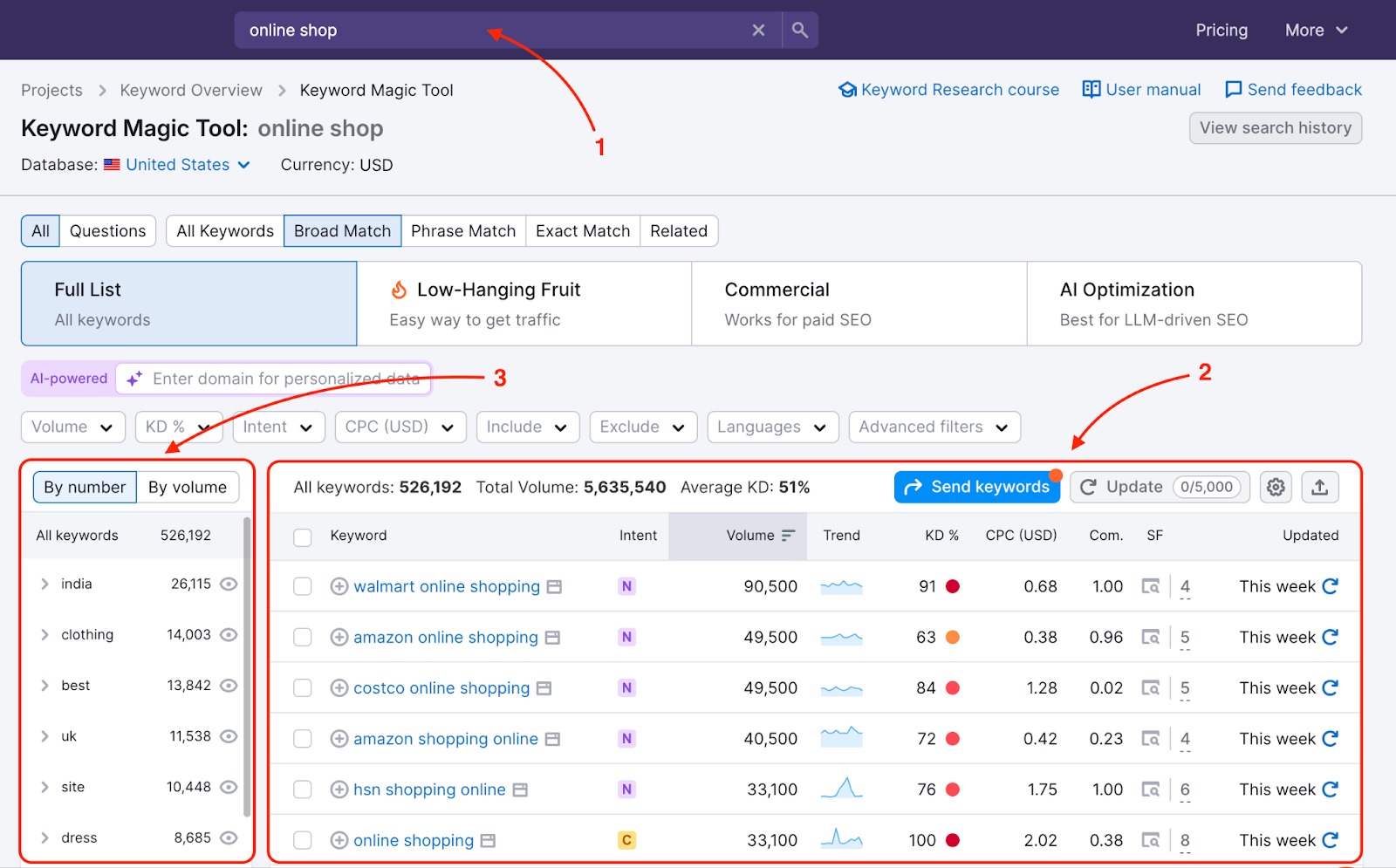
The project treated SEO as a planning discipline. Search intent influenced the topic, page structure and terminology; internal linking connected related resources; and content quality remained more important than repeating keywords.
This matters because successful content marketing is rarely about one article. It is about building a site where several useful pages reinforce one another and collectively answer a broader set of questions.
The project established a more structured content workflow and a clearer relationship between audience needs, SEO and business objectives. Private traffic and ranking data are not published because they belong to the client.
Rather than claiming a specific percentage improvement without public evidence, this case demonstrates the underlying system ClickTN uses to make content more intentional, measurable and scalable.
A simple blog strategy often asks, “What keyword can we write about this week?” A content marketing strategy asks a broader question: what information does the customer need across the journey, and how should the site organize that information?
That difference affects topic selection, page architecture, internal linking, content formats and the way each article contributes to the wider digital marketing plan.
Content marketing is the planned creation and distribution of useful content for a defined audience, usually with business objectives such as discovery, trust, lead generation or customer retention.
Search intent helps determine what the user is actually trying to accomplish. Matching the page type and depth to that intent makes the content more useful and reduces the temptation to optimize for keywords alone.
No. More pages can increase complexity without adding value. A smaller set of highly relevant, well-structured resources can be more useful than a large volume of overlapping content.
ClickTN builds content systems that connect SEO, editorial planning, internal linking and digital distribution to clear business goals.

*Tunisia: Metameur , Medenine Tunisie
4111
*France: 28 Rue du Guet, Clamart 92140 FR

