





*Tunisia: Metameur , Medenine Tunisie
4111
*France: 28 Rue du Guet, Clamart 92140 FR
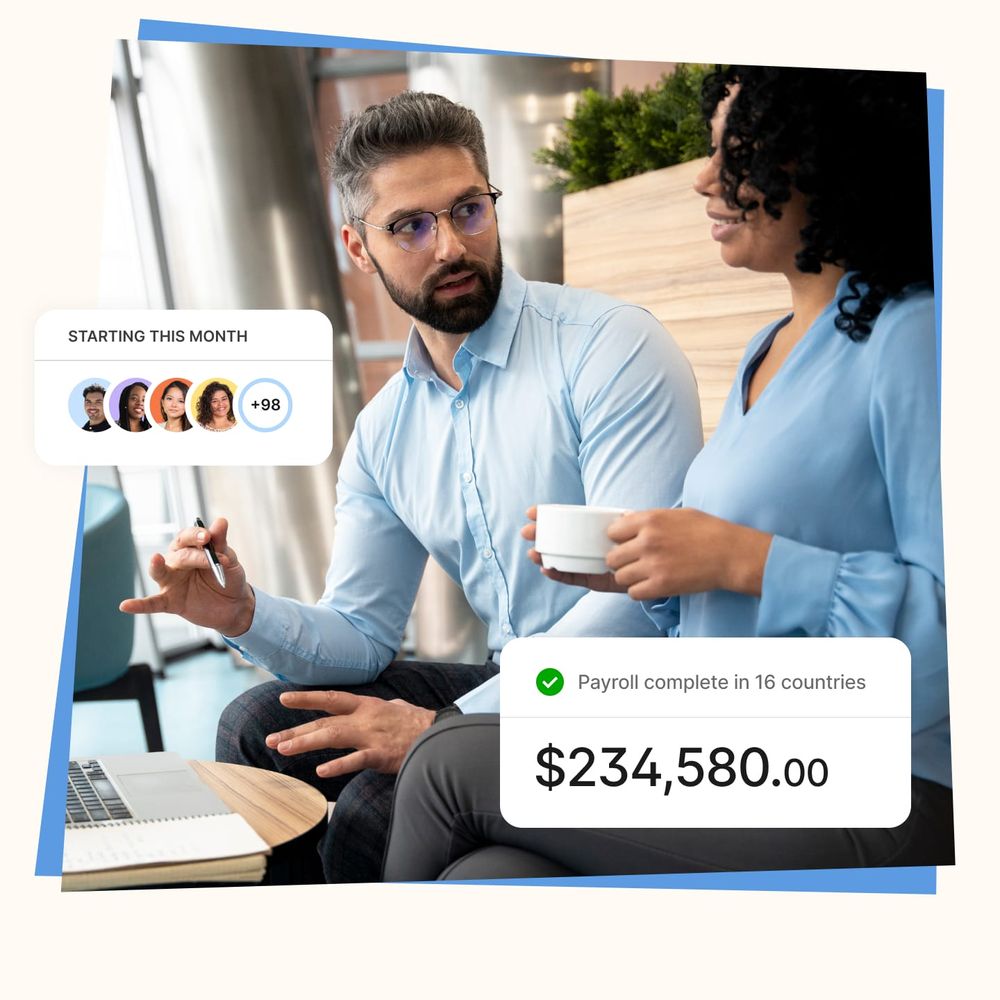
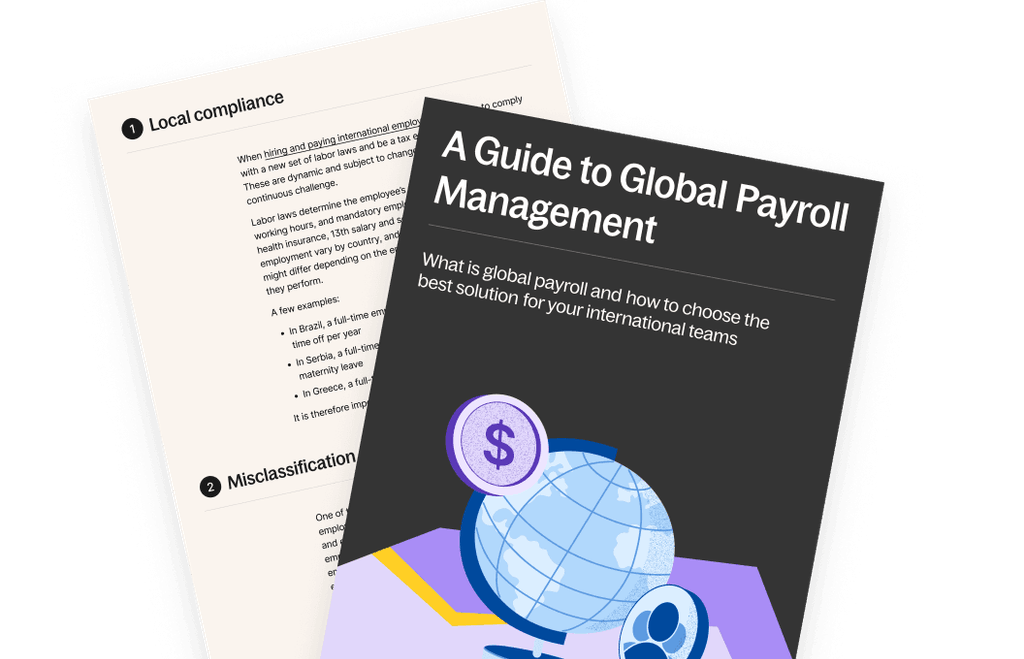
If you are hiring contractors, employees, or remote teams internationally, explore Deel’s current solutions and country availability through our partner link.
ClickTN may receive a commission if you sign up or use eligible Deel services through this link.
Deel is a platform for hiring, paying, and managing teams across borders. It can sit beside remote work tools and help with global payroll, contractor payments, compliance, and employee onboarding in one place. This guide covers what Deel is used for, where it fits in a remote stack, and what teams should review before they choose payroll solutions for global growth.
Deel is a platform for companies that work with people in more than one country. Those people may be employees, contractors, or both. Teams use Deel because international hiring brings real challenges: different currencies, tax rules, worker status, local documents, payment choices, and onboarding steps. A platform like Deel can bring those tasks into one flow, so HR, finance, and ops teams can see the whole picture.
Hiring is no longer tied to one office. A company might find a designer in Argentina, an engineer in Poland, support in the Philippines, and a consultant in Canada. That reach is powerful, but it also adds more work. Remote work does not make payroll or compliance simpler. It just changes where the work happens.
It is also worth clearing up a language point. Deel can mean the company and platform in this article. A mongolian deel is a traditional garment from Mongolia and nearby regions. The words look similar, but they are not related.

Remote companies usually use more than one tool. They may have chat apps, project tools, file storage, security tools, HR systems, and payroll solutions. Deel usually belongs in the people ops and payments layer of that stack.
That layer matters because it touches contracts, pay, identity data, benefits, tax info, and local rules. If those steps are messy, workers feel lost on day one. If they are clear, people know what to sign, when they will get paid, and where to find key details.
A simple remote work stack may include:
The best stack is not the one with the most software. It is the one where each tool has a clear job and the team knows how data moves between them.
When companies compare Deel or similar platforms, they are usually trying to solve a set of linked problems, not buy one feature. The exact product can change over time, so teams should always check the latest details. Still, a few needs come up again and again.
Contractor payments are often one of the first pain points for remote teams. For another perspective on global workforce management, see our Payoneer Workforce Management guide. A business may need to pay independent workers in different countries, currencies, and payment methods while also keeping good records of agreements and invoices. When this is done by hand, finance teams can lose time chasing bank details, checking exchange rates, confirming invoices, and answering payment questions.
A central system can make the process easier. It gives contractors one place to share details, view payment info, and access needed documents. For the company, it creates a clearer payment trail and cuts down on the back-and-forth that often happens at the end of the month.
Global payroll is more than sending money abroad. For a deeper assessment, see our Deel Review 2026 and Deel vs Multiplier comparison. Employee payroll can involve local tax withholding, social charges, required benefits, payslips, leave rules, and country-specific reporting. As a company grows, handling this country by country can get hard without specialized support.
Platforms in this space aim to make payroll easier by organizing employee data, pay dates, and local rules. That does not remove the need for review, especially when labor laws are involved, but it can help teams move from reactive admin to a more steady process.
Employee onboarding is more than collecting a signature. For global teams, it may include contracts, identity checks, tax forms, benefit choices, equipment steps, policy sign-off, and access to company systems. A scattered process can leave new hires unsure about what to do next.
A smoother flow gives new team members confidence before day one. It also helps managers and HR teams avoid missing small but important steps. In remote work, where people cannot simply walk to a desk for help, clear employee onboarding is part of the worker experience.
Deel supports contractor and employee management by giving companies one place to handle worker details, agreements, payments, and onboarding tasks across countries. In practice, that means HR and finance teams can cut down on scattered admin work while giving workers a more steady experience. The value is not just automation; it is the ability to see who is working where, under what setup, and through which payment flow.
This matters because contractors and employees are not managed the same way. Contractors usually work under service agreements and invoice-based payment flows. Employees follow local labor rules. Mixing those flows can cause confusion and risk. A dedicated platform helps teams keep the workflows separate while still handling both groups in one work view.
For example, a company might use one flow to bring on a freelance marketer for a short project and another flow to hire a full-time product manager in a new country. Both people need clear steps, documents, and timely pay, but the rules are different. That is one reason global workforce platforms have become more useful as distributed teams grow.
The appeal of Deel and similar payroll solutions is not only about convenience. For many companies, the bigger gain is that they can make international hiring feel less scary. When teams understand the steps, they are more likely to hire based on talent instead of defaulting to the easiest location.
Key benefits may include:
These benefits are most visible when a company has already outgrown informal systems. A small team with one contractor may not feel much friction. A scaling company with workers in ten countries usually will.

A recent moment in my journey with Deel became personal when a Deel-branded gift arrived: a black hoodie and a purple appreciation card. It was a thoughtful gesture that made the partnership feel more tangible and gave me a story to share beyond product features and platform comparisons.
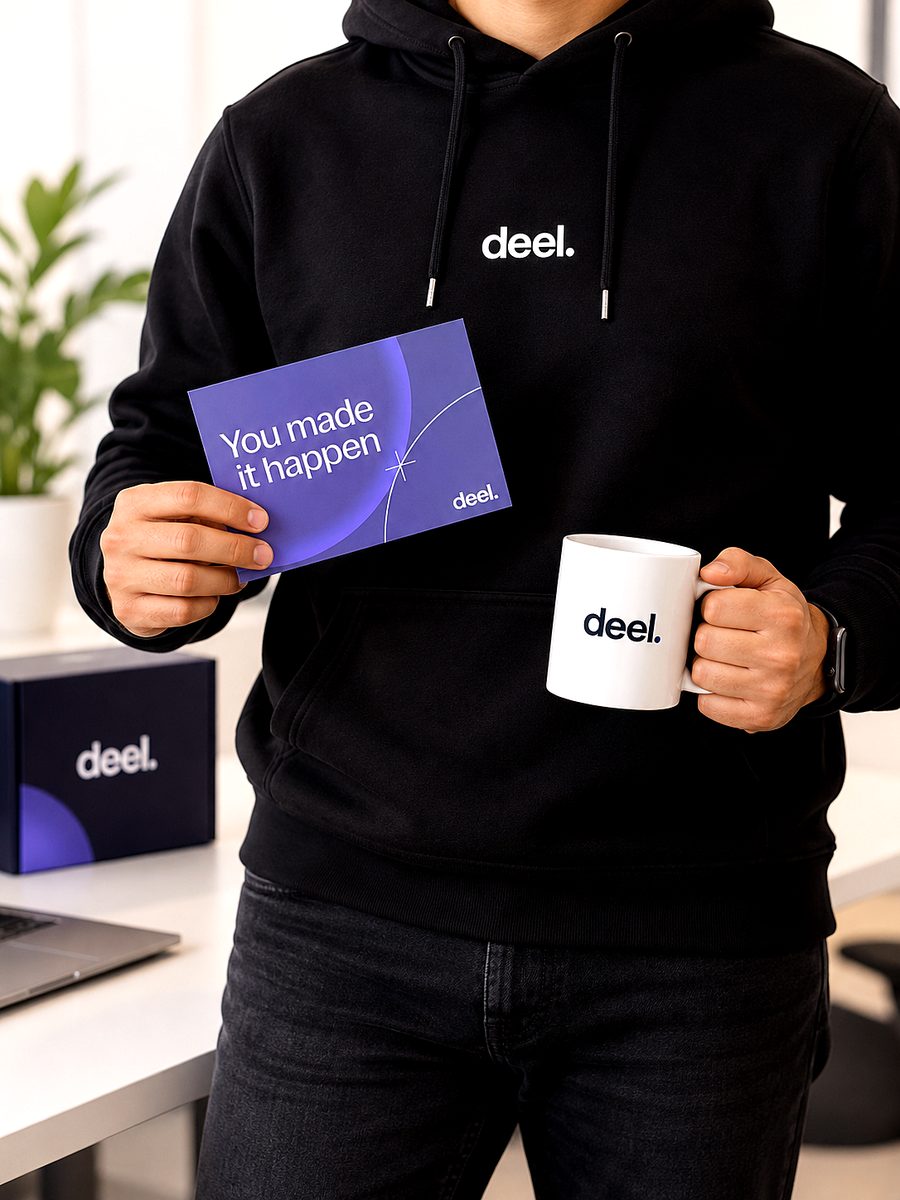
The gift included branded apparel and a message of appreciation. The images below document the items and add a personal visual element to this Deel global payroll and international hiring guide.
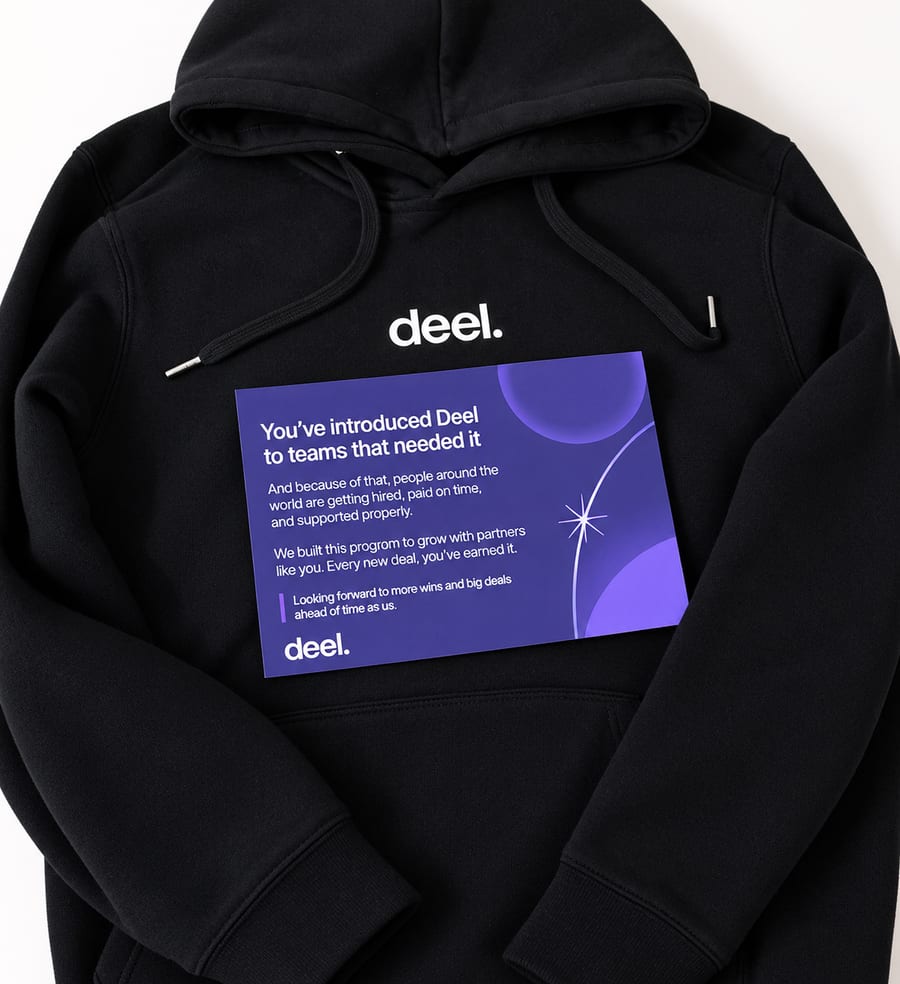
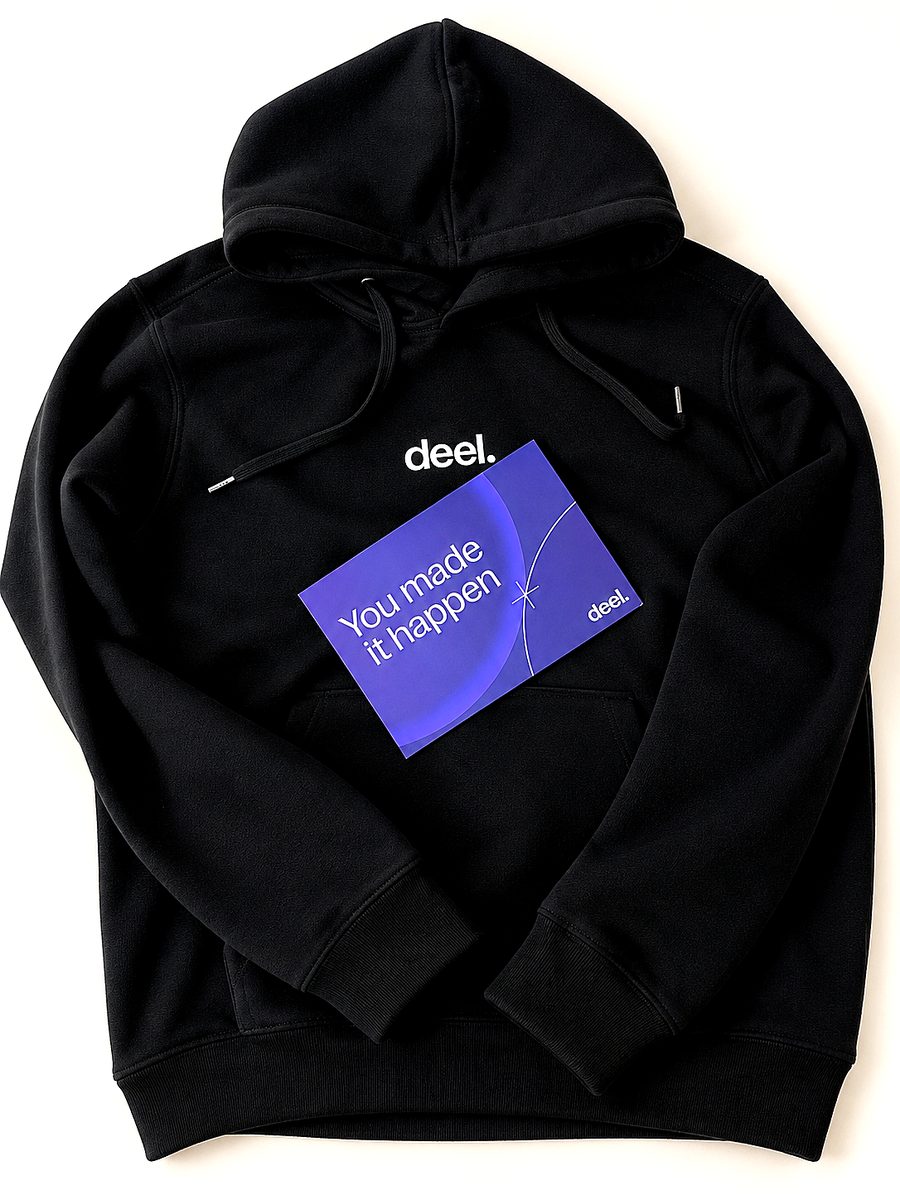
As the founder of ClickTN, I create resources for businesses exploring global hiring, contractor payments, and international payroll. Receiving this gift was a welcome reminder that professional partnerships are built through ongoing collaboration and communication—not only through software or referral links.
This personal experience adds context to ClickTN’s coverage of Deel, but it does not replace an independent evaluation. Businesses should still compare Deel’s current services, country coverage, pricing, and terms against their own needs before choosing a global workforce platform.
Disclosure: ClickTN participates in Deel’s partner program and may earn a commission from eligible referrals. This relationship is disclosed so readers can assess the context of our coverage.
Companies should review their hiring model, countries of operation, worker types, internal approval steps, budget, integrations, and compliance needs before choosing payroll solutions. The right choice depends on how the business actually works, not just on a feature list. A tool that works well for contractor payments may not be enough for a company that also needs deeper global payroll support.
Before making a decision, it helps to map the current process honestly. Where do delays happen? Which tasks are manual? Who owns onboarding? How are payments approved? Which countries create the most confusion? These questions show whether the main issue is payroll execution, contractor management, onboarding, reporting, or internal coordination.
A useful checklist includes:
No platform removes the need for internal ownership. Someone still has to define policies, approve payments, keep records, and communicate clearly with workers. Technology helps most when the process underneath it is already well designed.
Deel can be useful in several real cases. A startup may use it when hiring its first international contractors and trying to avoid a messy payment process. A growing remote company may look at it when employee onboarding starts to vary too much by country or team. A finance team may consider it when monthly contractor payments take too much time to manage by hand.
Another common use case is expansion into new markets. When a company wants to test talent in a region, it may start with contractors before building a larger local presence. If the team later hires employees, the operational needs change. A more structured system can make that shift easier to manage, even if the company still needs expert help for legal and tax decisions.
Deel may also help companies that want a more professional experience for distributed workers. Remote professionals often judge a company by how organized it is during contracting, onboarding, and payment. A clear process shows that the business takes international work seriously.
The rise of platforms like Deel reflects a larger shift. Companies are building teams around skills, time zones, and business needs instead of only around headquarters. That shift creates opportunities for both employers and workers. Businesses can reach wider talent pools, while professionals can access roles that may not exist locally.
But global work also needs discipline. Companies need to think carefully about worker status, pay, communication, benefits, security, and culture. Payroll tools solve important operational problems, but they do not replace thoughtful management. A distributed team still needs trust, documentation, clear expectations, and strong leadership.
The strongest remote organizations treat payroll and onboarding as part of the worker experience, not just back-office admin. When people are paid correctly, onboarded clearly, and supported in a steady way, they can focus on doing good work.
Deel helps companies with global workers by managing payments, payroll, and onboarding for contractors and employees. It fits into the wider group of remote work tools and payroll solutions that make distributed hiring more practical.
For businesses exploring global growth, the main lesson is to build systems before complexity gets out of hand. Whether Deel is the right fit depends on your countries, worker types, internal process, and long-term hiring plans. Start by clarifying what you need, compare current platform features carefully, and choose the path that gives your team and your workers the clearest way forward.
Deel is used by businesses to hire, onboard, manage, and pay international employees and contractors. Its services can cover contractor management, global payroll, EOR hiring, payments, and related workforce workflows, depending on the country and product.
Yes. Deel provides contractor payment workflows for international teams. Deel states that its contractor solution supports payments across 200+ countries and jurisdictions and offers multiple payout options, subject to availability and applicable requirements.
Yes. Deel supports different workforce models, including contractors and employees. This can be useful for companies that begin with contractors and later expand into employee or EOR hiring.
Yes. Deel offers global payroll solutions for companies managing employees and contractors across multiple countries, with country-specific compliance and payment workflows depending on the selected service.
No. A workforce platform can simplify administration and support compliance workflows, but businesses remain responsible for appropriate legal, tax, employment, and worker-classification decisions. Professional advice may still be appropriate for country-specific situations.
It can be. The relevant question is not only company size but how many countries and worker types the business manages and how much administrative complexity it has. A small company hiring internationally may have a strong need for a centralized workforce platform.
You can review Deel’s current global hiring, contractor, and payroll solutions through the ClickTN partner link below.
See Deel’s current options for global hiring, contractor management, and payroll.
ClickTN may receive a commission if you sign up or use eligible Deel services through this link.
Some links in this article are affiliate links. If you click a link and make a qualifying purchase or sign up, ClickTN may receive a commission at no additional cost to you. This commercial relationship is disclosed so readers can evaluate the information transparently. Verify Deel’s current terms and make an independent decision based on your business needs.
*Tunisia: Metameur , Medenine Tunisie
4111
*France: 28 Rue du Guet, Clamart 92140 FR
